Train operators in public ownership drive forward passenger improvements with major fleet investments
Train operators in public ownership across the UK are making bold strides in transforming rail travel for passengers, with significant investments in new fleets that reflect a commitment to long-term service improvement.
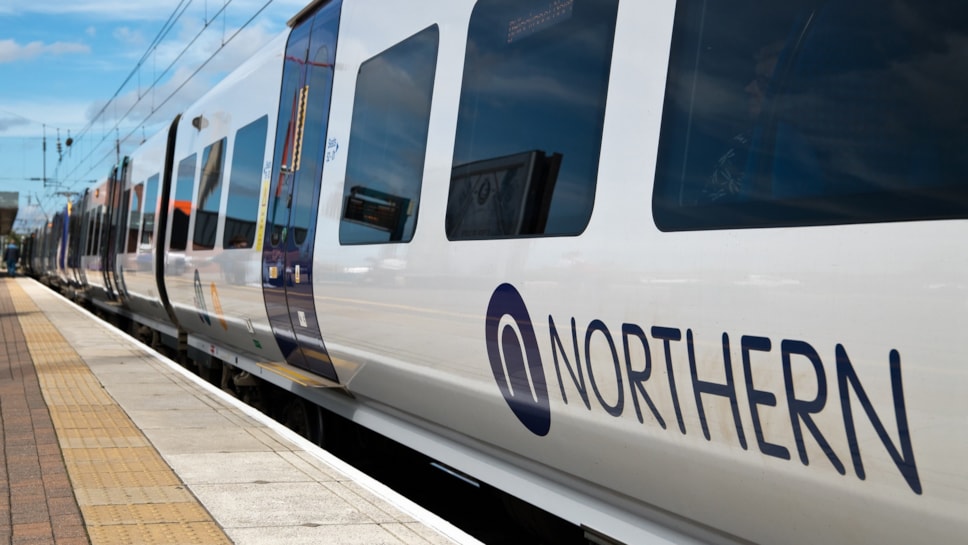
Amongst the most ambitious fleet renewal programmes is Northern’s, who has announced plans to procure up to 450 new trains (approx 1,000 carriages) that will be a pivotal moment for rail travel in the North of England.
The investment will replace older rolling stock, enhance reliability and deliver a modern, comfortable experience for millions of passengers. The new fleet will be designed with customer needs at its core, featuring improved accessibility, better on-board technology and more sustainable operations.
Meanwhile, TransPennine Express began the process of buying up to 55 new trains (approx 330 carriages), issuing an Invitation to Negotiate (ITN) to five shortlisted bidders in 2024. The core order of 29 trains will enable the benefits of the £11bn Transpennine Route Upgrade scheme funded by the Department for Transport to be delivered. This procurement is now in the latter stages and a decision on the preferred bidder and contract award is expected in summer 2026.
They also recently celebrated the sixth anniversary of their Nova fleet, which has transformed intercity travel across the North and into Scotland. Nova trains have delivered enhanced comfort and increased capacity, becoming a cornerstone of TransPennine Express’ customer-focused service.
LNER is set to introduce ten of the UK’s first tri-mode long-distance trains (100 carriages) on the East Coast Main Line that will operate using electric, battery and diesel power, offering greater flexibility and environmental benefits.
Their addition to the LNER fleet will support the operator’s mission to deliver faster, greener and more reliable services, while reducing carbon emissions and improving connectivity across key regions.
At Southeastern, they are making the most significant investment in the network since the launch of highspeed services in 2009, with plans to replace their aging Metro fleet.
An ITN has been issued for up to 640 new carriages (plus potential follow-on options) to serve routes to London terminals and key locations across south east London and Kent, including Dartford, Sevenoaks, Grove Park and Gillingham.
The investment aims to maximise ‘level boarding’ on the network and improve accessibility, reliability and customer experience and would also see trains equipped with batteries to maintain operations during power supply failures, boosting safety and resilience across the network.
And at South Western Railway, 29 of the new Arterios trains regularly operate 376 services every weekday, serving all 96 stations across the suburban network.
The rail minister, Lord Hendy, said: “Investing in new trains is vital for a successful, modern and reliable rail network and it’s great to see publicly owned operators delivering ambitious fleet upgrades that put passengers first.
“Alongside the creation of Great British Railways, these programmes will bring more comfortable, accessible and sustainable journeys for millions of passengers and help deliver countless benefits.
"From unlocking jobs, driving economic growth and supporting the development of new homes, we’re ensuring rail investment benefits whole communities as well as passengers.”
Notes to editors
All details, including contract award, delivery date and size of contract, remain subject to business case approval and the outcome of the competitions.