Publicly owned rail operators futureproof workforce with ongoing investment in apprenticeships
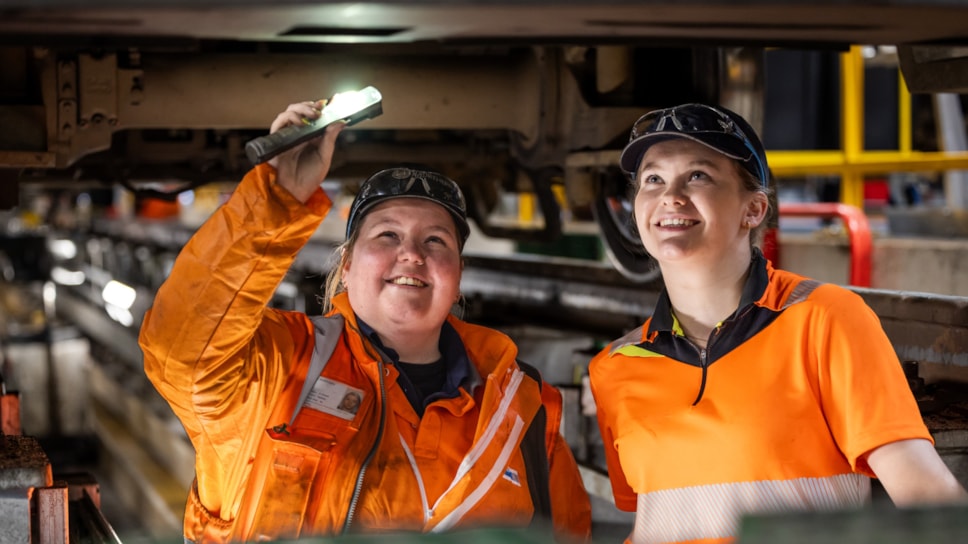
To mark National Apprenticeship Week 2026 (9 – 15 February) publicly owned operators are leading the way in driving take up of apprenticeships in the rail industry.
Around 90% of those who complete an apprenticeship at Northern are offered permanent positions, with the operator focusing on driving development of the mechanical and electrical engineering skills needed to maintain its fleet of trains.
Greater Anglia currently employs more than 200 active apprentices, who undertake programmes from level 2 through to level 7, offering both entry-level routes into the railway and higher professional development opportunities. Of its current apprenticeship cohort, 24% are women and nearly 15% come from an ethnic minority background, underlining the operator’s commitment to widening access to careers in rail.
Between 2024-25, London North Eastern Railway (LNER) reported 3% of its workforce started an apprenticeship. This includes 31 train managers, 38 drivers, and 33 other roles, with 37 train managers, and 50 train drivers passing their End Point Assessments. Approximately 36.6% of those undertaking statutory apprenticeships, such as train driver roles or engineering and technical roles, are women.
At Southeastern, which was included in The Sunday Times ‘Top 100 Apprenticeship Employers’ list for 2025, 465 people are actively engaged in apprenticeships. Of 287 apprenticeships completed in the last 12 months, 21% of learners are female and 18% are from an ethnic minority background. The operator also opened a new careers and skills hub for apprentices in Ashford last year.
South Western Railway currently has 28 apprentices due to begin engineering, leadership and young talent roles in September. This will be the first-year young talent and leadership apprentices are introduced in non-engineering roles across the fleet division.
In October, TransPennine Express launched a new apprenticeship scheme called express start. The initiative gives young people the chance to gain experience across a range of departments before choosing a specialist path. It opens the door to those who might not have previously considered working in rail to explore roles in areas such as revenue protection, commercial, customer service and sustainability.
London Northwestern Railway and West Midlands Railway, the latest operator to move into public ownership, has a total of 103 apprentices. They are also the first UK train operator to receive the Employer Kitemark Accreditation for its engineering apprenticeship scheme.
Rail Minister, Lord Hendy, said: “From personal experience I know how rewarding a career in the rail industry is. It is brilliant to see so many opportunities available at publicly owned operators, from roles for those wanting to start their careers, to people of any age keen to learn new skills and develop, in a fast-paced and exciting sector.
“I encourage everyone looking for a new challenge to discover how they can use their unique skills and talents to help build the publicly owned railway we can all be proud of.”
Increasing apprenticeship numbers is a vital component of future proofing the workforce to ensure publicly owned operators can deliver a high-quality service to passengers and drive improvements in performance.
Apprenticeships can enable people of all ages and backgrounds to develop the expertise they need to succeed in their professions, Trainee opportunities at publicly owned operators range from train drivers to onboard operations, ticketing and engineering, including corporate functions like HR and finance.
Applications are set to open soon for candidates aged between 16-18, who meet standard GCSE requirements in English and Maths to start a three-year apprenticeship with publicly owned operators from September. Anyone who is interested can find out more information and apply on each operator's website.
Notes to editors
c2c, Greater Anglia, LNER, Northern, Southeastern, South Western Railway, TransPennine Trains, and West Midlands Trains are under public ownership, managed by DfT Operator (DFTO) – which is managing train companies as they move into public ownership ahead of the creation of Great British Railways (GBR).
Following the transfer of West Midlands Trains into public ownership on 1 February, more than half of all the rail journeys that GBR will ultimately be responsible for are now on services run by publicly owned operators.
On average, publicly owned operators under DFTO perform better on punctuality and cancellations than those yet to come into public ownership (source).
GBR will be accountable to passengers and will drive a relentless focus on responding to their needs. Responsible for coordinating the whole network: from track and train, to cost and revenue – GBR will deliver lasting change and build a railway fit for Britain’s future, owned by the public, for the public.